
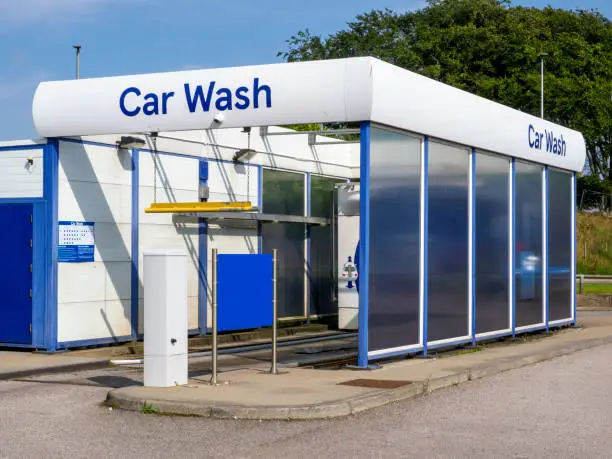
If you’ve ever found yourself wondering whether your car just needs a wash or a full detail, you’re not alone. Most people use the two terms interchangeably, but they are two different categories of cleaning. One’s more of a surface-level clean, and the other goes much deeper.
Let’s break down what each one actually does (and when it’s worth spending a little extra).
The Quick Fix: Car Wash
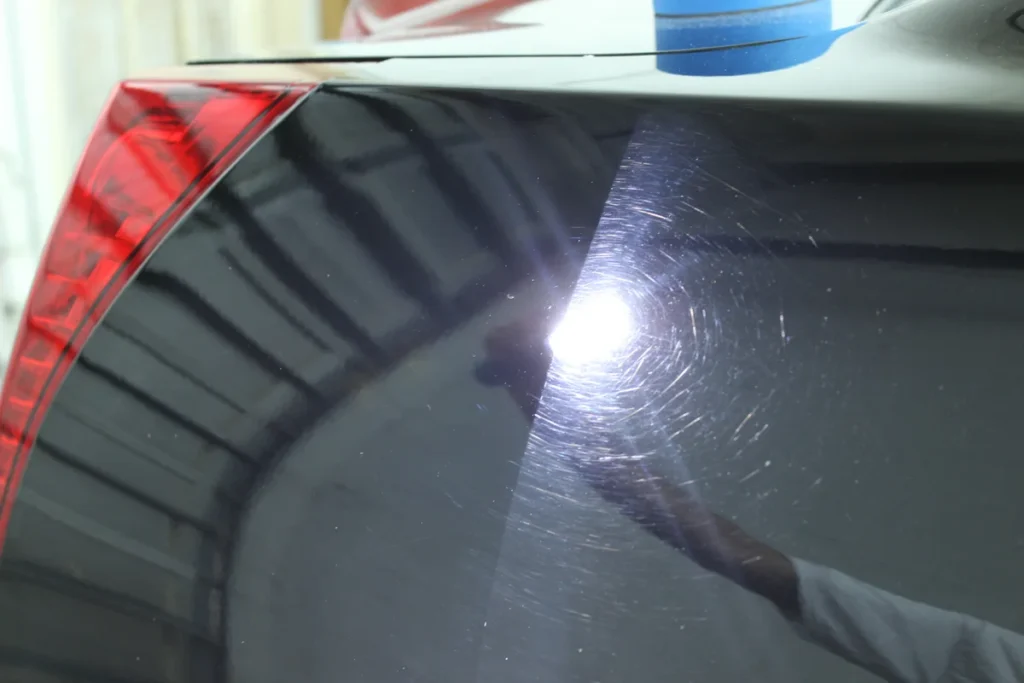
A car wash is all about speed and convenience. The goal is to get dirt, dust, and road grime off your car’s exterior so it looks clean again. You can go the automatic route, where high-pressure jets and spinning brushes do the work in a few minutes, or you can opt for a hand wash, which takes longer but tends to be gentler and more thorough. Machines are fast, but they often miss small spots around mirrors and trim — and over time, those brushes can even leave fine scratches on your paint. These small scratches are called swirls, and will leave your car’s clear coat looking dull. A careful hand wash avoids that and gives the person cleaning your car the chance to spot and address those little details that machines simply can’t.
People like car washes because they’re quick, affordable, and get the job done if your car’s just dusty from the week. The tradeoff is that it’s surface-level. You’re not getting deep cleaning, protection, or long-term care. A car wash is just a quick refresh that looks good for a while before the dirt builds up again.
The Deep Clean: Car Detail
Detailing is another level of cleaning, which serves another purpose. It’s not just about making the car look good, it’s about cleaning, restoring, and protecting it.
For the exterior, detailing usually means a careful hand wash, a clay bar treatment to remove stuck-on contaminants, and options like a polish or wax to restore shine and add protection. The interior gets even more attention: vacuuming carpets, cleaning and conditioning leather or fabric, wiping down trim, and getting rid of odors or stains. It’s the kind of clean you can feel when you get in the car.
With a proper detail, the results last. It can make your car look new again and help preserve the paint, upholstery, and overall condition. However, it takes more time (a few hours instead of minutes), and it’s more expensive. But it’s also something you don’t have to do very often. Once every month or few months is usually plenty.
So, Which One’s Right for You?
It really depends on what you’re after. If your car just needs a quick rinse and you’re short on time, a regular wash is perfect. But if you want to keep your car in great shape long-term—protect the paint, get rid of grime buildup, and refresh the interior—detailing is worth it. Think of it like this: washing your car is brushing your teeth, and detailing is going to the dentist. You need both, just not at the same frequency.
Whether you go for a quick wash or a full detail, keeping up with some kind of cleaning routine makes a huge difference. The key is knowing why you’re doing it and doing it often enough that dirt and neglect don’t pile up for too long.
What to Look For in a Car Wash
If you’re sticking with quick washes, pay attention to how they treat your paint. It’s tough to recommend drive-through washes, because clean equipment is vital. Dirt that gets left on brushes from so many cars can cause scratches. Touchless systems that rely on high-pressure water instead of brushes are often safer, though they might not remove heavier grime.
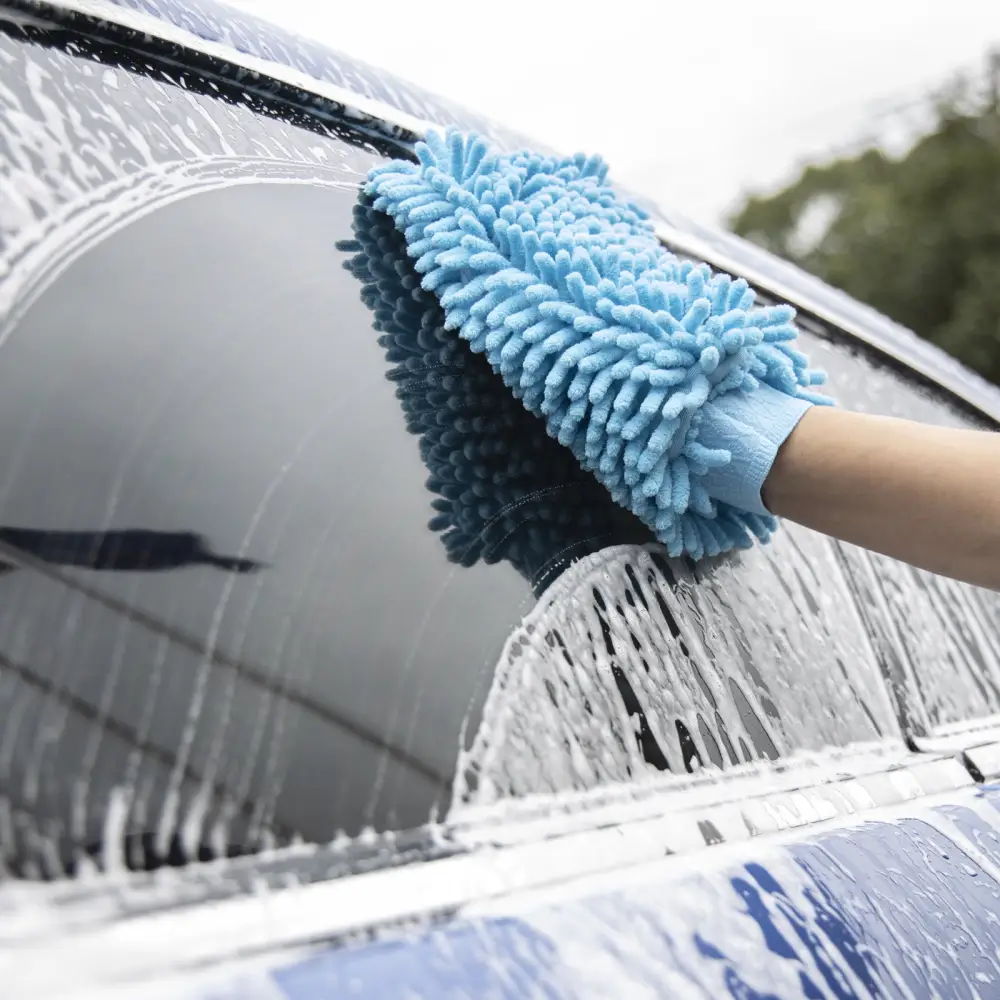
If you’re getting a hand wash, check what kind of towels they use. One might think that microfibers are effective enough, but they can actually do more harm than good. Cheaper microfiber towels have low GSM counts (grams per square meter) meaning the fabric is thin and less dense. This quality can make them abrasive and not ideal for removing dirt particles, as they get used up quickly. Microfibers have their place in cleaning a car—just not on its paint. Instead, look for people who use edgeless fluffy towels and chenille wash mitts. These products are thick, plush and absorbent, making them ideal for lifting dirt without scratching paint. Even the drying process matters: air drying can leave water spots, while clean, soft towels (especially twist loop towels) make a huge difference in how your paint looks afterward.
What to Look For in a Car Detail
When it comes to detailing, quality really varies, so it helps to know what to ask for. A good detailer uses quality, often eco-friendly products that protect surfaces instead of wearing them down. These products are biodegradable—they’ll break down easier, have a lower impact on waterways and soil, and be gentler on your car’s surfaces. They’ll also pay attention to the small areas most people overlook. Vents, door jambs, and tight corners that collect grime over time should never be overlooked.
Ask what kind of paint protection they include. A wax, sealant, or hybrid ceramic sealant can extend that just-detailed look for months. It also makes consecutives washes much easier since dirt and other contaminants come off much easier. And when it comes to the interior, make sure the products match your materials — leather, vinyl, or fabric all need different kinds of care. Finally, look for detailers who are transparent about their process. If they can clearly explain what’s included and why, that’s usually a sign they take pride in doing things right.
At the end of the day, the goal isn’t perfection: it’s consistency. Whether you’re getting your car washed every week or detailed a few times a year, the small habits you build now will keep your car looking better and lasting longer.